


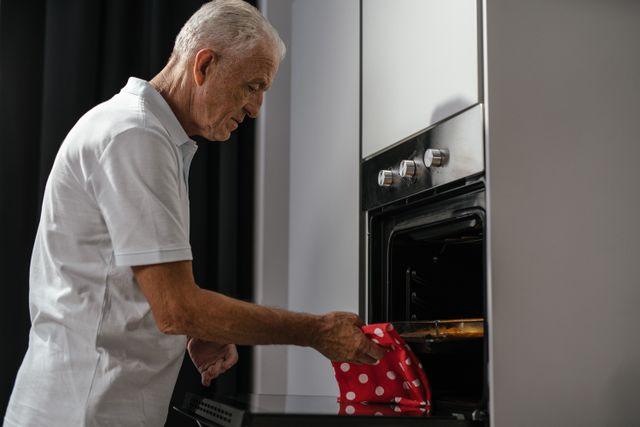
You turn the oven on to preheat, walk away for five minutes, and come back to a haze rolling out of the vent and the smoke alarm going off. Most of the time, the cause is harmless and easy to fix. Sometimes, though, smoke is the first warning that a part is failing or something is burning that shouldn’t be.
The trick is knowing which is which. Here’s how to read what your oven is telling you, what you can handle yourself, and when it’s time to bring in a technician.
First, Look at the Smoke and Smell
Before you start scrubbing, pay attention to the details, because they quickly narrow down the cause.
Gray or white smoke with a smell like burnt toast or charred cheese almost always points to food residue. A sharp chemical or plastic smell suggests cleaner residue, packaging left inside, or a new oven burning off its factory coating. A hot, electrical smell, especially with sparking or a glowing spot on the element, is a different story and needs attention right away. Smoke coming from the control panel or behind the oven instead of the vent is never normal.
Food Spills and Grease Buildup
This is the cause behind most smoking ovens. A bit of lasagna that bubbled over last week, grease spatter from a roast, or a few fallen fries sitting on the oven floor will smoke every time the oven heats past about 400°F (around 200°C). Grease has a lower smoke point than many people expect, so even a thin film can produce a surprising amount of smoke.
The fix: Let the oven cool completely, then remove the racks and wipe out loose debris. For baked-on spots, spread a paste of baking soda and water over the stains, leave it for several hours or overnight, then wipe it off with a damp cloth. A plastic scraper helps on stubborn patches. Spray a little white vinegar over any leftover residue to lift it, and wipe again.
To stop it from happening again, put a baking sheet on the rack below anything likely to bubble over. Avoid lining the oven floor with foil, since many manufacturers warn against it. Foil can trap heat, damage the enamel, and in some models interfere with the hidden bake element under the floor.
Your Oven Is Brand New
New ovens smoke, and that catches a lot of people off guard. Manufacturers coat the elements and interior with protective oils during production, and that coating burns off the first few times the oven heats up. You’ll usually notice a light smoke with a sharp, oily smell.
The fix: Remove all packaging, tape, and inserts, including anything tucked into the broiler drawer. Open a window, run the range hood, and let the empty oven run at a high bake setting, around 400°F to 550°F depending on what your manual recommends, for 30 to 60 minutes. One or two cycles usually clear it. If the smoke continues after several uses, something else is going on.
Leftover Cleaner Residue
If you recently cleaned the oven and now it smokes, the cleaner is the likely culprit. Commercial oven sprays are strong, and any residue left on the walls, racks, or door glass will burn and smoke the next time you cook. It also gives off a harsh smell that you don’t want near your food.
The fix: Wipe every surface with plain warm water several times, then run the empty oven for 15 to 20 minutes with the kitchen ventilated. Going forward, rinse more thoroughly than seems necessary after using any chemical cleaner.
The Self-Cleaning Cycle
Self-clean runs at extremely high temperatures, often 800°F (over 425°C) or more, to turn food residue into ash. If there’s a heavy layer of grease inside, that process creates plenty of smoke and an unpleasant smell.
The fix: Scrape out large chunks and pools of grease before you start the cycle, and take the racks out unless your manual says they’re safe to leave in. Keep the kitchen well ventilated and stay home while it runs. Also worth knowing: self-clean puts a lot of stress on components. It’s one of the most common times a thermal fuse, door lock or control board fails, so if your oven stops working right after a self-clean, that’s probably why.
A Failing Bake or Broil Element
On electric ovens, a damaged element is a serious cause of smoke. When an element starts to fail, you might see a blister, crack or bright white spot on the coil, hear a crackle, or notice sparks while it heats. Smoke and a burning electrical smell often follow.
The fix: Turn the oven off at the control and then at the breaker. Don’t keep using it. Replacing an element isn’t complicated in many models, but it does involve electrical connections, and a burnt element can sometimes damage wiring or terminals behind the back panel. If you’re not comfortable working with wiring, have a technician check it.
Gas Burner Problems
In a gas oven, a clean flame burns mostly blue. A lazy, yellow or orange flame, along with soot on the oven walls or smoke, usually means the burner isn’t getting the right mix of gas and air. Causes include a clogged burner port, a misaligned burner, or a problem with the air shutter.
The fix: This one belongs with a professional. Poor combustion can produce carbon monoxide, which you can’t see or smell. Make sure you have working CO alarms in the home, and if you ever smell gas, don’t turn anything on or off. Leave the house and call your gas utility’s emergency line from outside.
A Faulty Thermostat or Temperature Sensor
If your oven runs much hotter than the temperature you set, food will burn and smoke even when the oven is clean. A failing temperature sensor or thermostat is a common cause. You can test it by placing an oven thermometer in the center of the oven, setting it to 350°F (about 175°C), and checking the reading after 20 minutes. A difference of more than 25 degrees or so usually points to a sensor or calibration problem.
Some ovens let you adjust calibration through the control settings, so check your manual first. If the reading swings wildly or the oven keeps climbing past the set temperature, the part likely needs replacing. If you’re in the area, a technician offering appliance repair in Cochrane can test the sensor’s resistance and confirm the fault before swapping anything.
If Your Oven Catches Fire
Turn the oven off and keep the door closed. Opening it feeds the fire with oxygen. Most small oven fires burn out on their own once the fuel is gone. Never throw water on a grease fire. If the flames don’t die down quickly or spread outside the oven, get everyone out and call 911.
When to Call a Professional
Cleaning fixes most smoking ovens. Call a technician if the smoke smells electrical, you see sparks or damage on an element, the smoke comes from the control panel or the back of the unit, the gas flame looks yellow, or the oven keeps smoking even after a thorough clean. These problems usually get worse with continued use, not better.
How Appliance Care Experts Can Help
When your oven won’t stop smoking, and you can’t pin down why, we’re here to sort it out. Our Red Seal certified technicians have more than 15 years of experience working on electric and gas ovens from brands like Whirlpool, Samsung, LG, Frigidaire, Wolf, Thermador, and Miele.
We diagnose the problem, give you a clear, upfront quote before any work starts, and back every repair with a 90-day parts warranty and a 30-day labor warranty.
We offer same-day and next-day appointments for appliance repair in Cochrane and nearby communities. Call us at 587-575-2023 before 5 p.m. and you’ll save $25 on your repair.


